
4001 Hardie Rd
4001 Hardie Rd, Coconut Grove
Residential
Post Modern
2021
We designed this home for our New York couple with two children.
Our approach to designing for a client coming from in the northern climate was unique in that we wanted to acclimate them for the sub-tropic climate by the sea— a steady flow of warm, humid air and nights that require air conditioning. The history of the place is a reoccurring theme in our projects. For our New York transplants we wanted their home to be an armature for also introducing them to the rich yet contentious history of early Coconut Grove. Once comprised of farming and fishing-class communities, the present-day Coconut Grove was once a well-known enclave freed from the Seminole Indian attacks. Recent evidence indicates people walked as far as 600 miles from Georgia to travel to the area known as Coconut Grove.
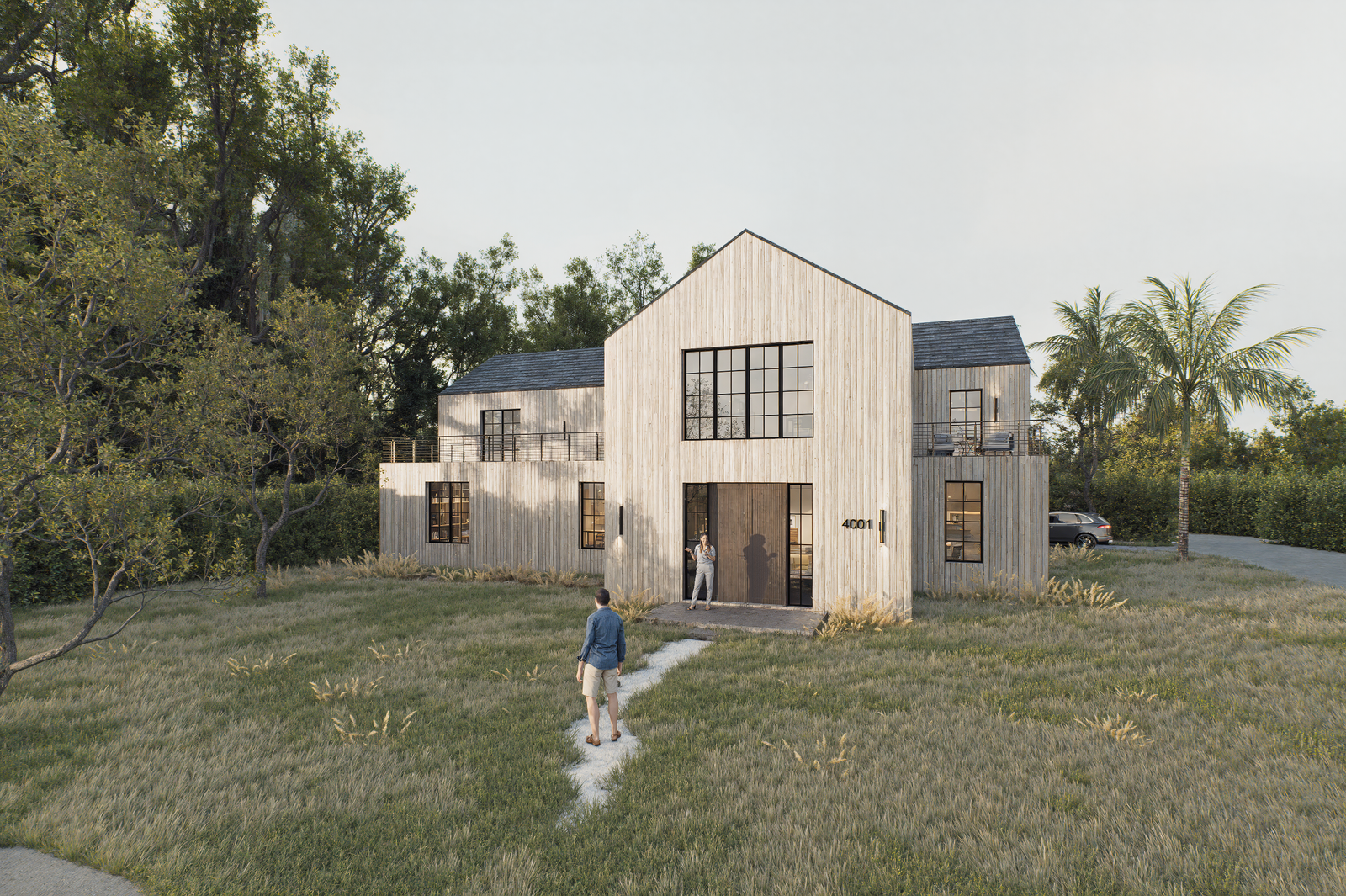
Our challenge was to design a residence that acknowledged this cultural heritage while embracing the needs of a modern family seeking to experience this unique enclave.
From the beginning, we set out to create a house that would feel less like a monument and more like a continuation of this story. Instead of imposing imported modern-Miami materials such as glossy glass finishes and white stucco, we sought out elements that had already lived a life along the coast. We used wooden planks to cast the concrete exteriors; stamping the rich heritage of ship building into a material that could survive the strongest tropical storms.
Weathered and salt-soaked landscaping carried the memory of early cultivation in South Florida, and an early tradition that grew food alongside the Seminole Indians. Where possible we salvaged brick and local stone called oolite; a light and easily harvest matertal that existing only inches below the native soil. Georgian bricks carefully cleaned and re-laid to form chimneys and garden walls, grounding the house in the very earth of early Miami.
A gesture of reverence—an architectural acknowledgment of the culture that came before. By sourcing materials locally and drawing from the traditions of Coconut Grove’s heritage, we ensured the house would stand not as an interruption, but as a respectful evolution of place and those who are transplanted.
Project Team
-

Yailyn O. Barrera, AIA NCARB
Architect -

Wm. H. Arthur IV, AIA NCARB
Architect -

Chris Muchow
Associate
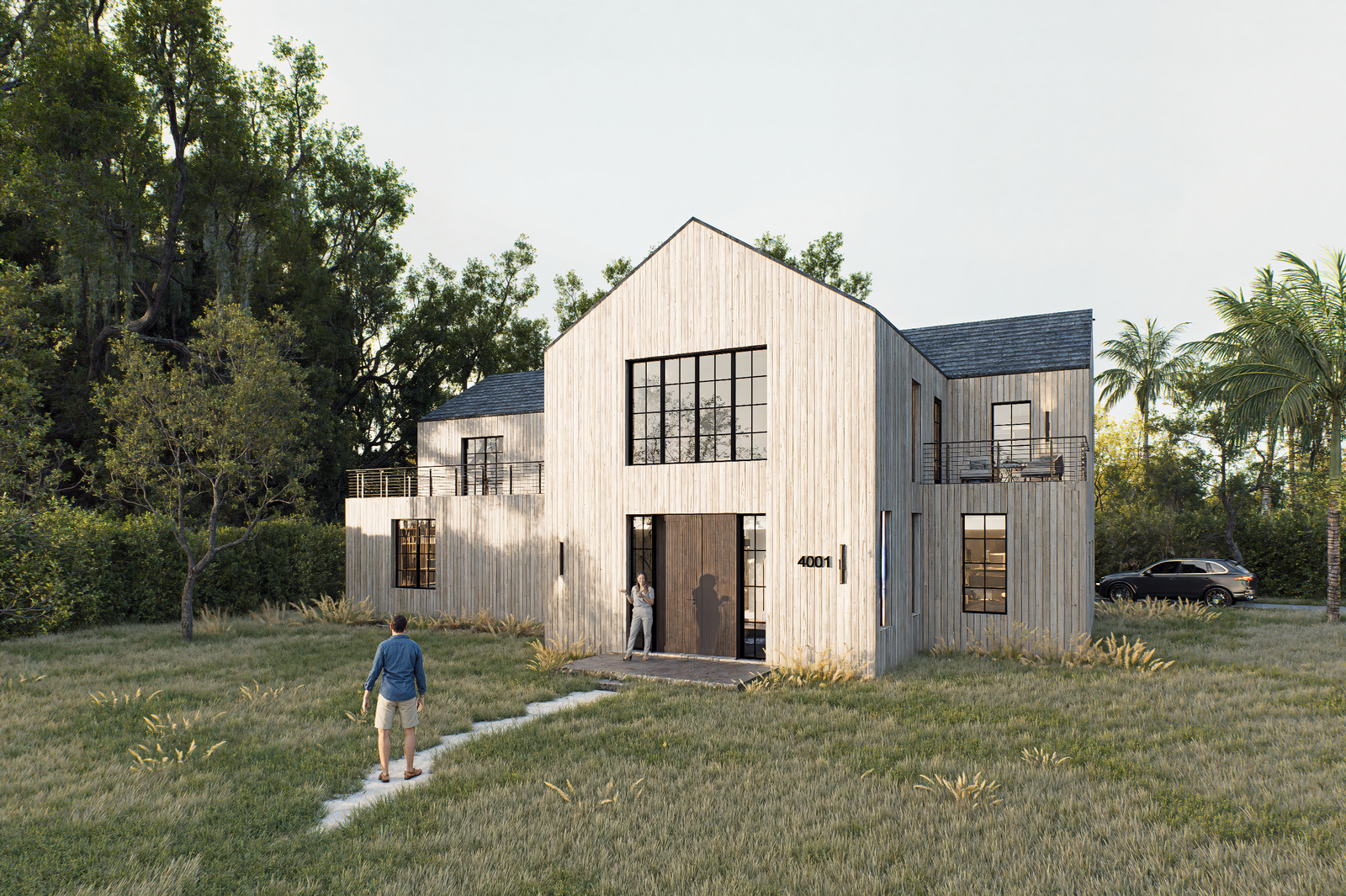
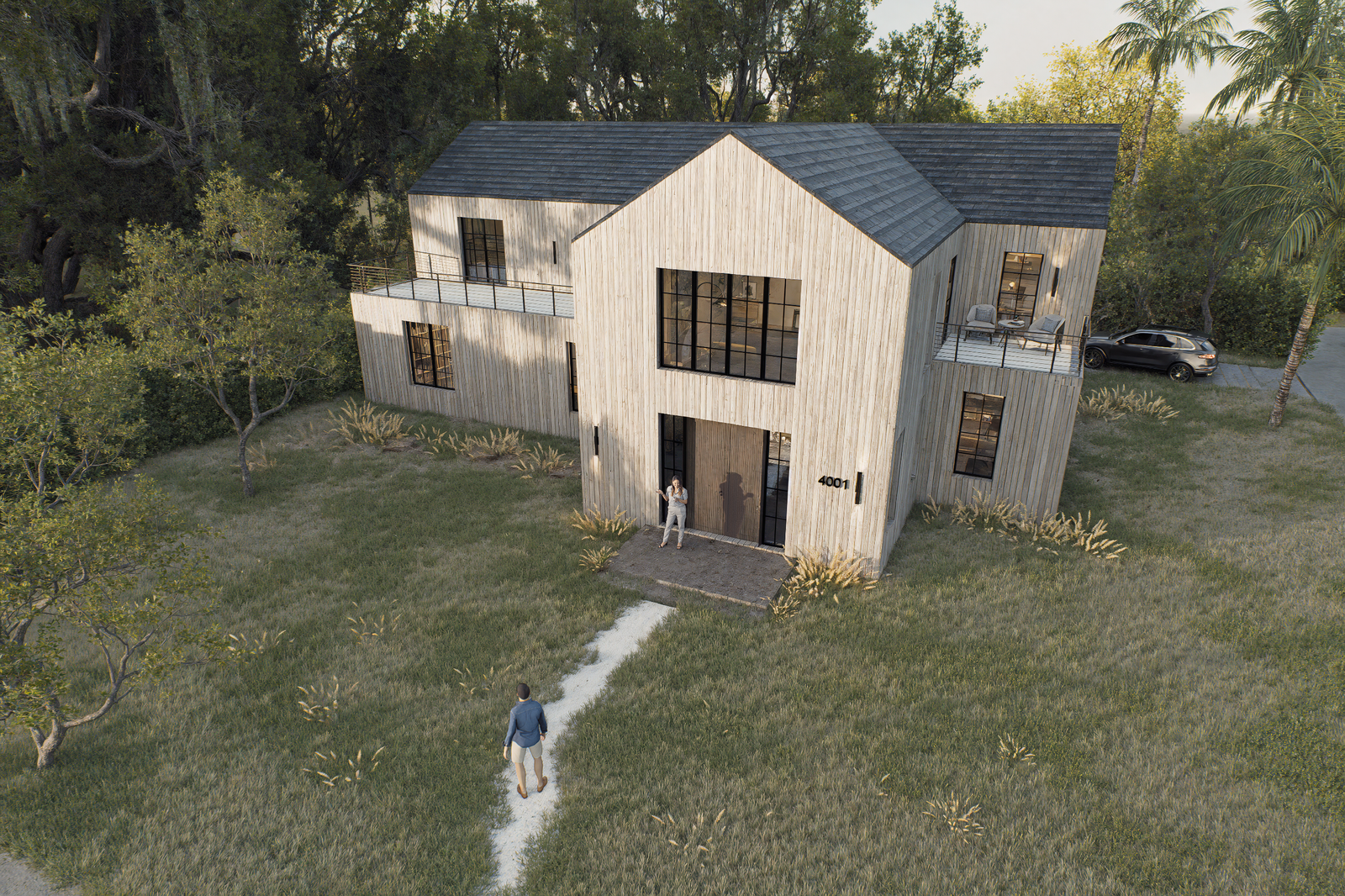
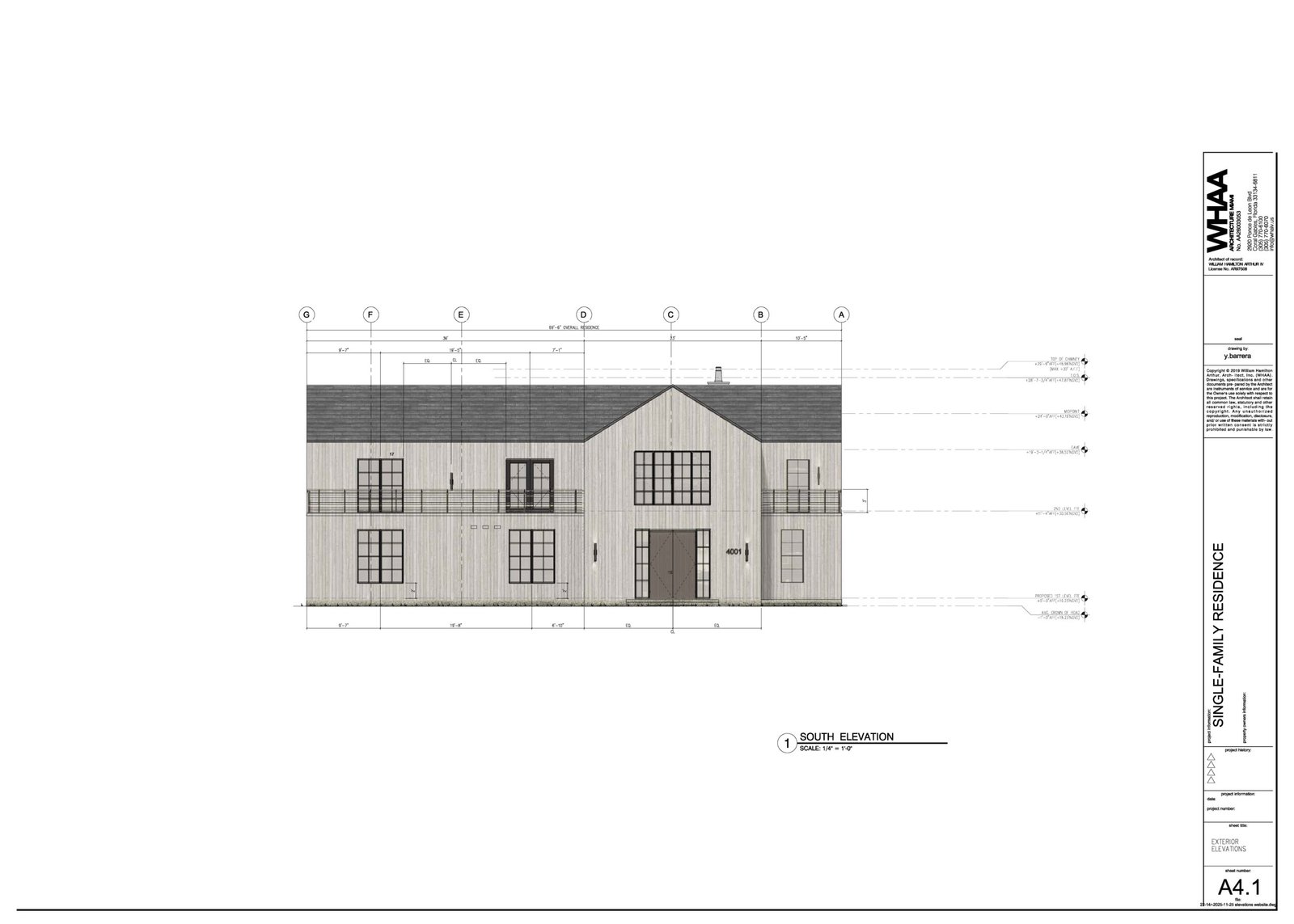
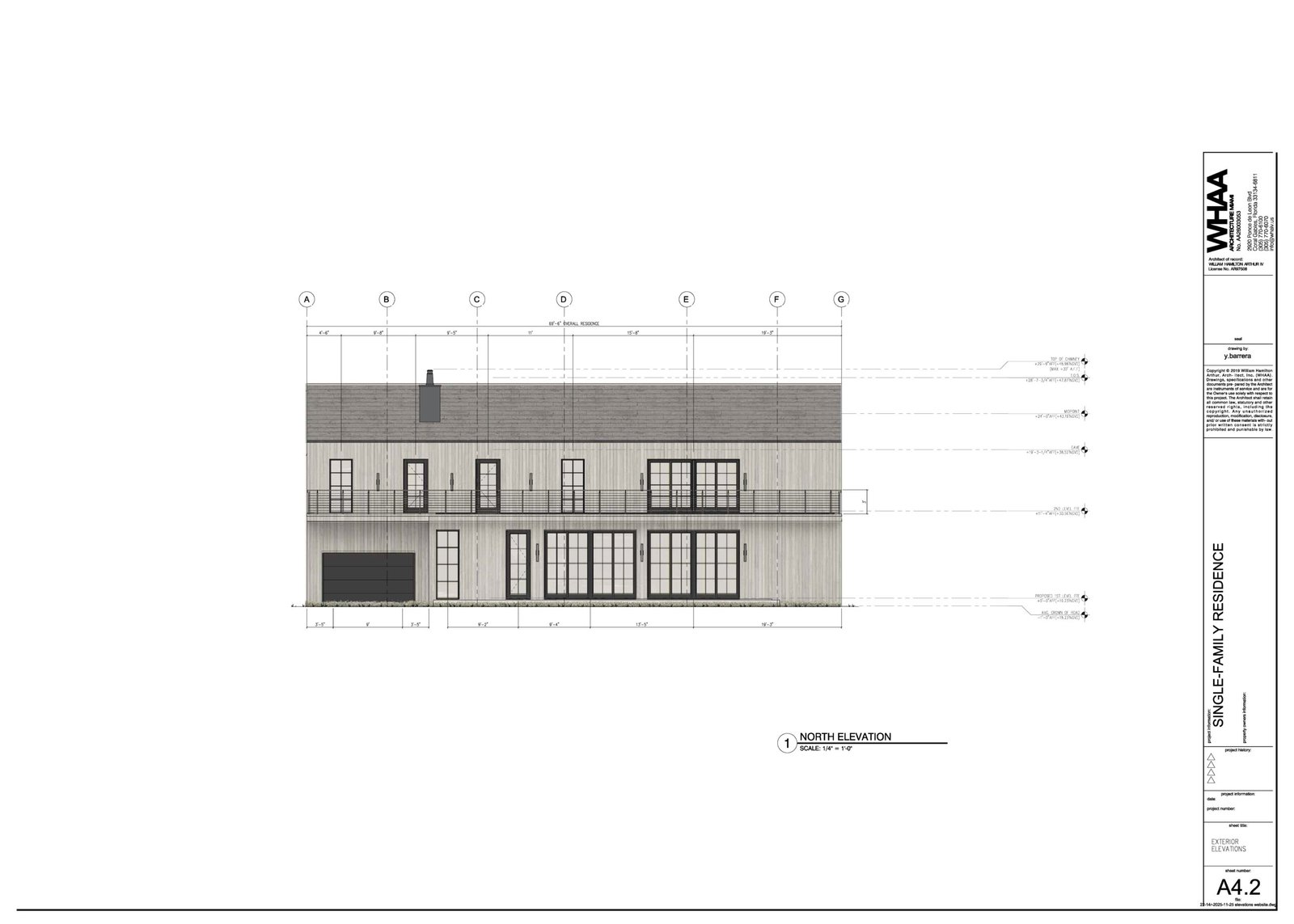
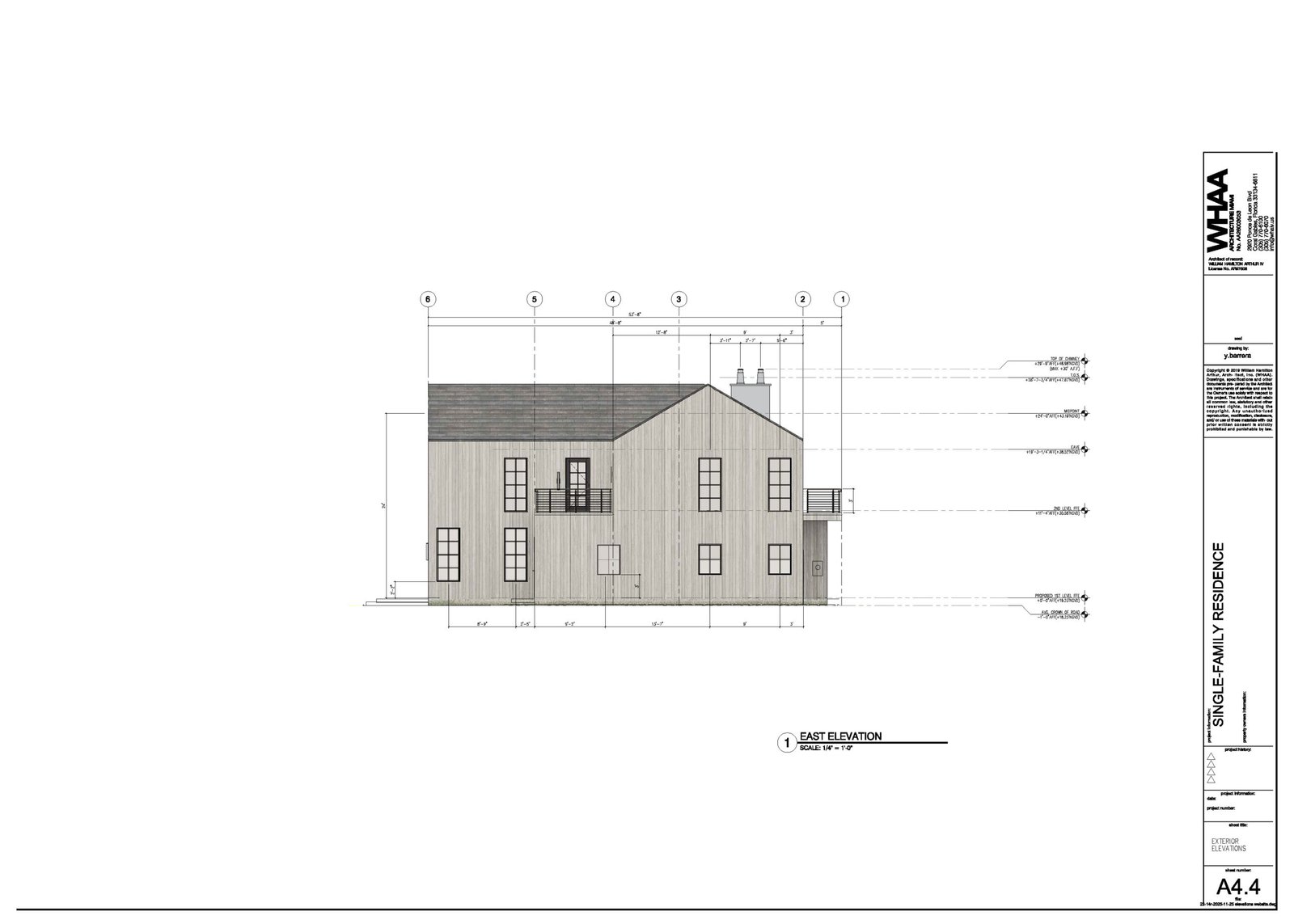
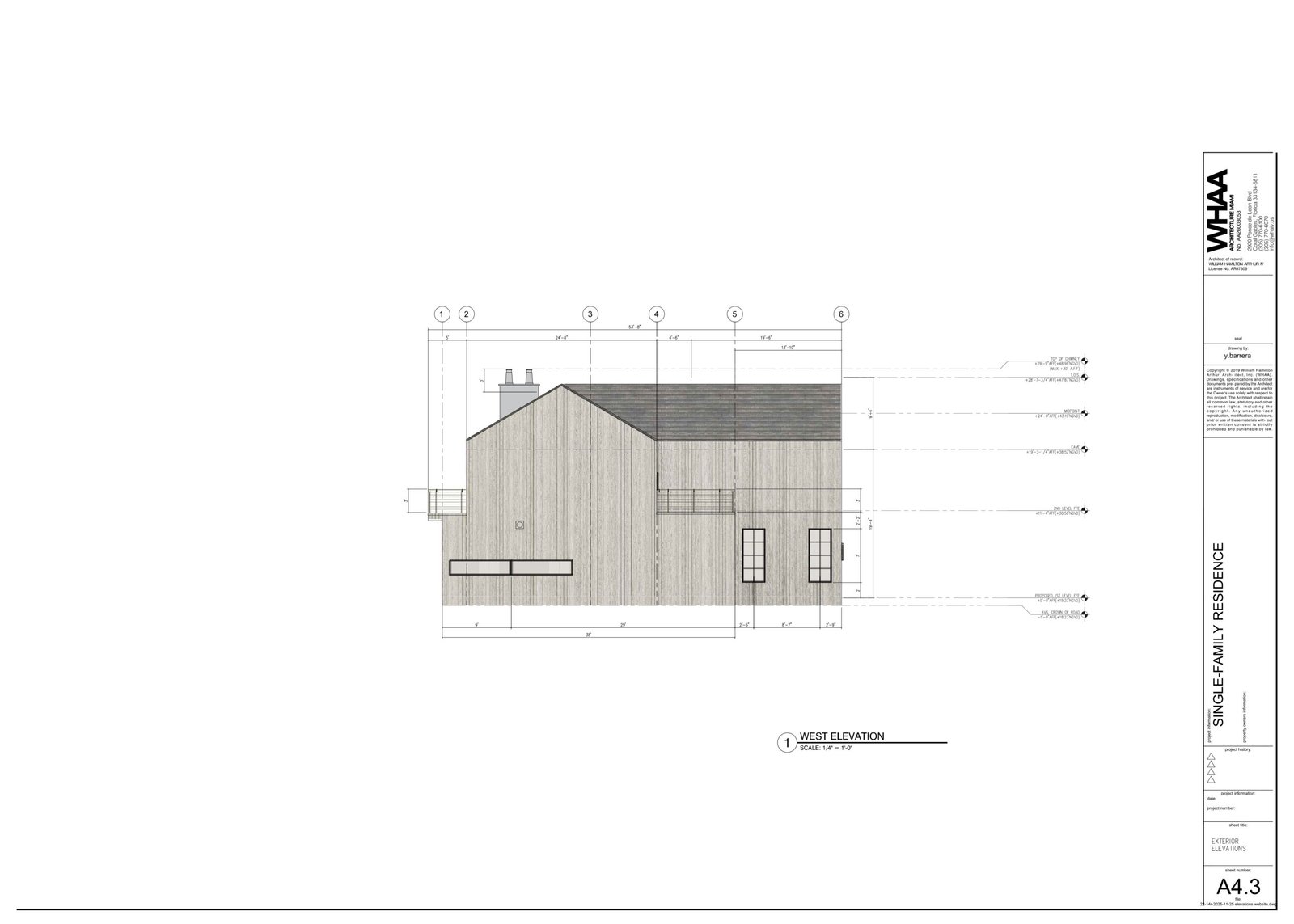
ENVELOPE DESIGN:
• Continuous exterior insulation was detailed at all above-grade walls to minimize thermal bridging.
• Double-pane, low-E with High Velocity, Hurricane-Zone (“HVHZ”) rated glazing exceeding performance-based U-value requirements.
• Air sealing was rigorously planned, with blower door testing to verify compliance with air leakage limits.
Mechanical Systems
• We specified a Variable Refrigerant Flow (VRF) system with integrated heat recovery.
• A dehumidifier was included to reduce heating and cooling loads while improving indoor air quality.
Lighting & Controls
• All interior lighting complied with Section C405, utilizing high-efficacy LED fixtures.
• Occupancy sensors were provided in bathrooms, closets, and storage areas, while daylight-responsive dimming was used in living spaces with large south-facing windows.
• Exterior lighting was designed within the exterior lighting power density limits, ensuring energy efficiency without sacrificing ambiance.
Commissioning & Documentation
• We drove the project through a complete MEP system commissioning as required for compliance, documenting equipment performance against modeled energy use.
• Compliance was tracked through REScheck/COMcheck software and formal energy modeling, providing both approval and a clear record for the clients.
In the end, commissioning ensured regulatory approval and elevated the performance of the home.